

Play Therapy
Where play becomes a language.
Children do not always have the words to explain what they are feeling, experiencing or trying to understand.
Play Therapy offers children a safe and supportive therapeutic space where they can communicate, explore and express themselves through their natural language of play and creativity.
What is Play Therapy?
“Toys are children’s words and play is their language.”
-Garry L. Landreth-Play Therapy is a developmentally appropriate therapeutic approach that recognises that children do not always have the words to communicate what they are feeling, experiencing or trying to understand.
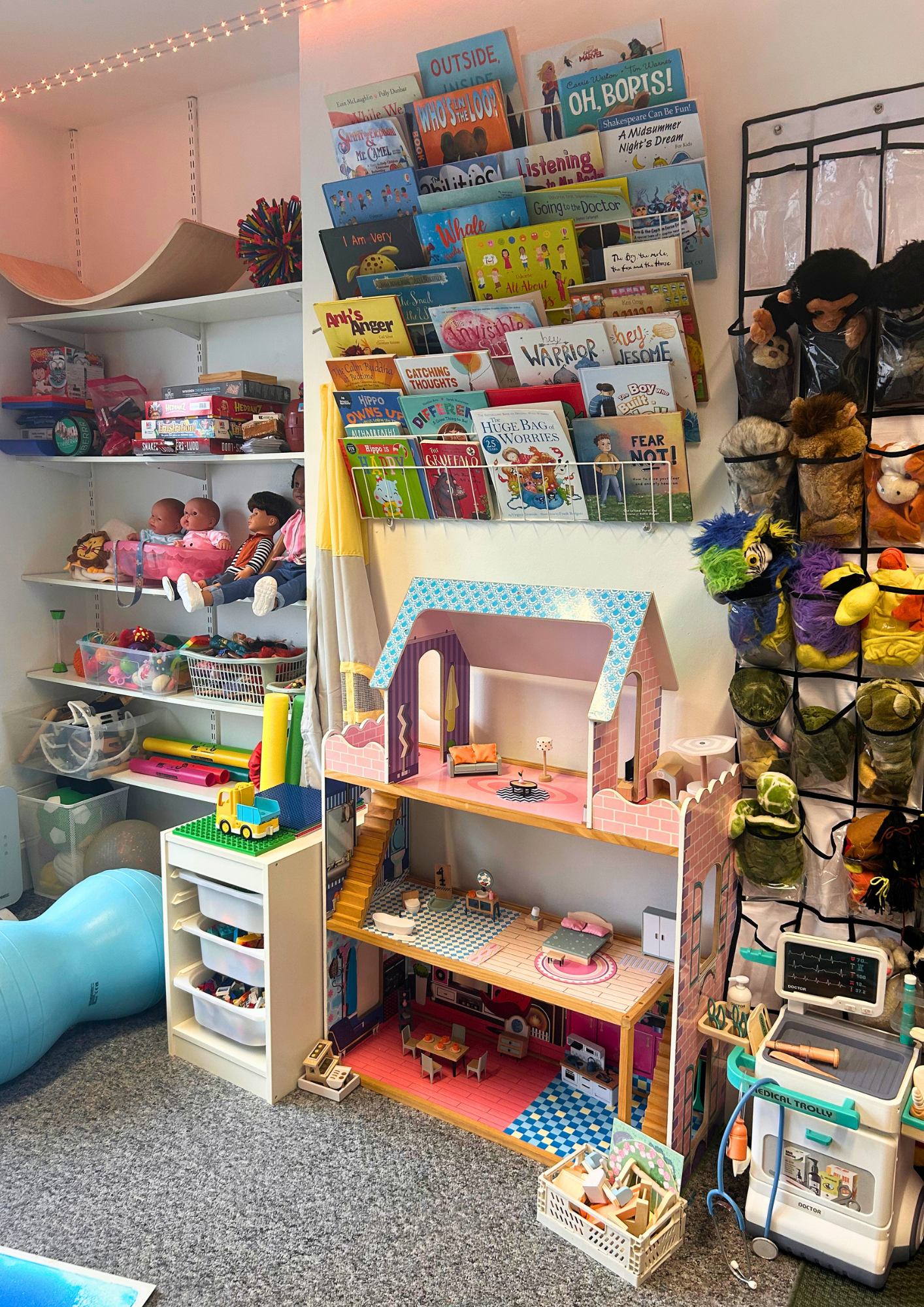
Within the safety of the therapeutic relationship, children can use a therapeutic toolkit to explore and express their inner world in ways that feel natural to them. This may include toys, art, board games, LEGO®, sand, messy play and other forms of creative and imaginative play.
The child is given space to engage with these different mediums in their own way and at their own pace, with the therapeutic process responding to their individual needs.
Who is Play Therapy For?
Sometimes there isn't one clear reason.
A child does not always need to have experienced a significant event or have a diagnosis to benefit from Play Therapy. Parents may simply notice that something has changed, that their child appears to be struggling, or that they would benefit from having their own therapeutic space.
Play Therapy at Pebbles Ireland is available for children aged 3–13 years and may be considered for children experiencing a range of emotional, behavioural, social or life difficulties.



Anxiety & Worries


Big Emotions


Family Changes

Grief & Loss


Low Self-esteem & Confidence

Social & Relationship Difficulties


Changes in behaviour

Life Transitions & Change

Difficult or Traumatic Experiences
Two Ways to Access Play Therapy
Pebbles Ireland offers both Individual Play Therapy and Group Play Therapy. The most appropriate approach will depend on the child's individual needs and reason for referral
Individual Play Therapy
Their space. Their pace. Their way to communicate.
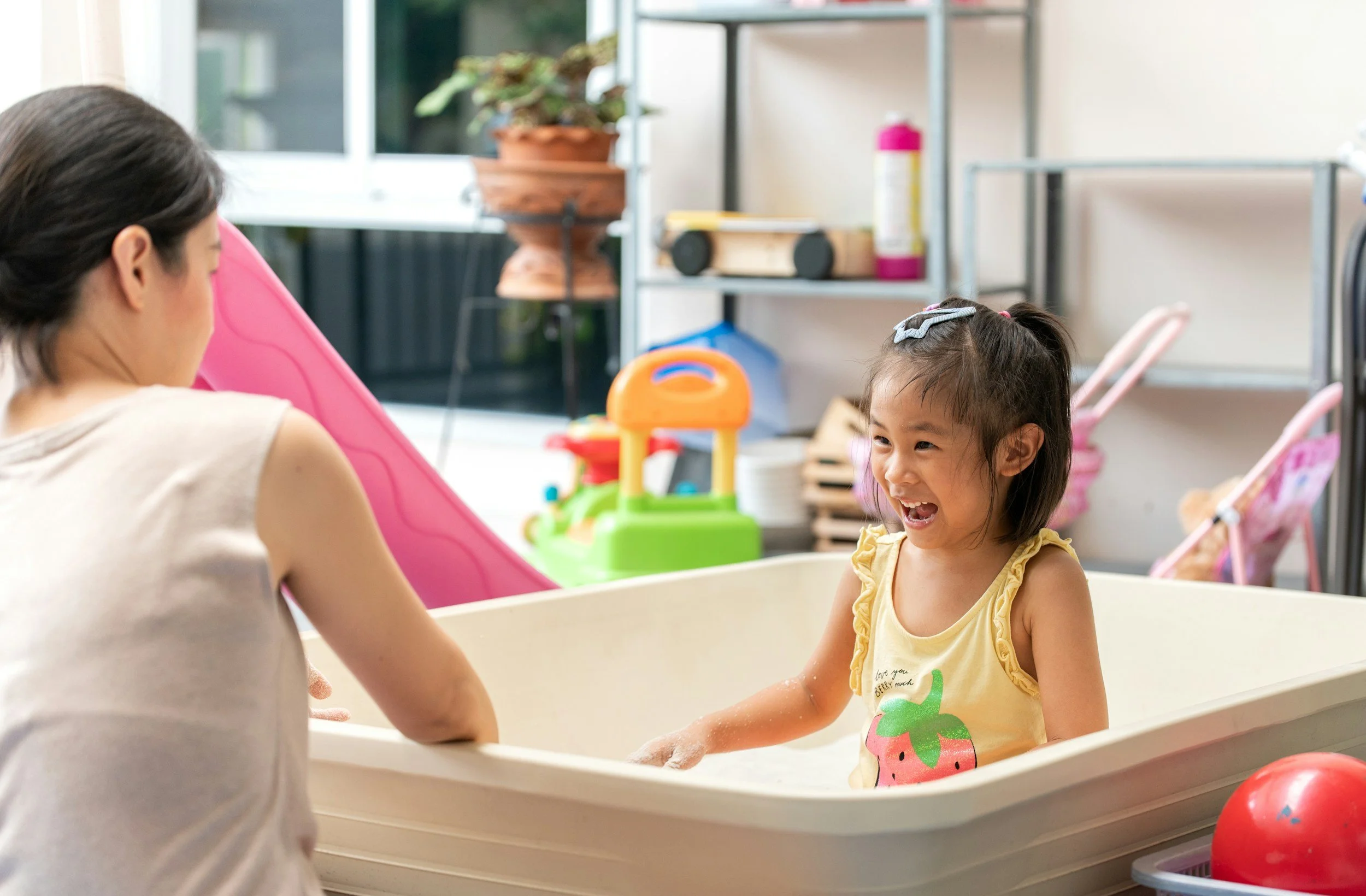
Individual Play Therapy offers a child a confidential, one-to-one therapeutic space where play and creativity become their means of communication and expression.
Sessions are child-centred and responsive to the individual child, allowing them to engage with the therapeutic toolkit and playroom in their own way and at their own pace.
An initial block of 12 weekly sessions is typically recommended, with a parent or guardian review around sessions 8–9 to consider relevant themes, progress and next steps.

Group Play Therapy
Individual therapeutic needs. A shared Play Therapy space.
Group Play Therapy provides Play Therapy within a carefully considered small-group setting, where children are appropriately matched according to factors such as age, developmental stage and therapeutic needs.
Each child remains at the centre of their own therapeutic process, while the group environment provides additional opportunities for connection, interaction and shared experiences through Play Therapy.
Group suitability is considered as part of the referral process, as Group Play Therapy will not be appropriate for every child or every presenting need.
What Does the Process Look Like?

Enquiry
Start by getting in touch and telling us a little about your child and what has brought you to Play Therapy. At this stage, we can discuss whether Individual or Group Play Therapy may be the most appropriate option for your child's needs.


Parent /Carer
Consulation
Before either Individual or Group Play Therapy begins, a parent consultation takes place. This provides an opportunity to discuss your child's history, strengths, current needs and any relevant information that may support the therapeutic process.

Play Therapy
Begins
For Individual Play Therapy, your child will typically begin with an initial block of 12 weekly sessions.
For Group Play Therapy, sessions will follow the agreed length and structure of the specific group programme.
Consistency is an important part of the Play Therapy process, so regular attendance is encouraged for both individual and group sessions.

Parent / Carer
Review
For Individual Play Therapy, a parent review typically takes place around sessions 8–9. This provides an opportunity to discuss relevant themes emerging through your child's therapeutic engagement, alongside anything you may be noticing outside the playroom.
For Group Play Therapy, a parent review takes place following the final group session, providing an opportunity to reflect on your child's engagement and consider whether any further support may be helpful.

Next Steps
For Individual Play Therapy, the parent review helps to inform the next stage of the therapeutic process. This may include completing Play Therapy, continuing with further sessions or considering whether another support may be appropriate.
Group Play Therapy comes to an end following the agreed programme. Where further support may be beneficial, this can be discussed with parents and appropriate next steps considered.
Testimonials


Want to Know More About Play Therapy?
Find answers to common questions about referrals, consent, confidentiality, sessions and the Play Therapy process.